Thousands of Black Civil War troops organized in Macon. This vet keeps their history alive.
Text and images by Katie Tucker, The Telegraph
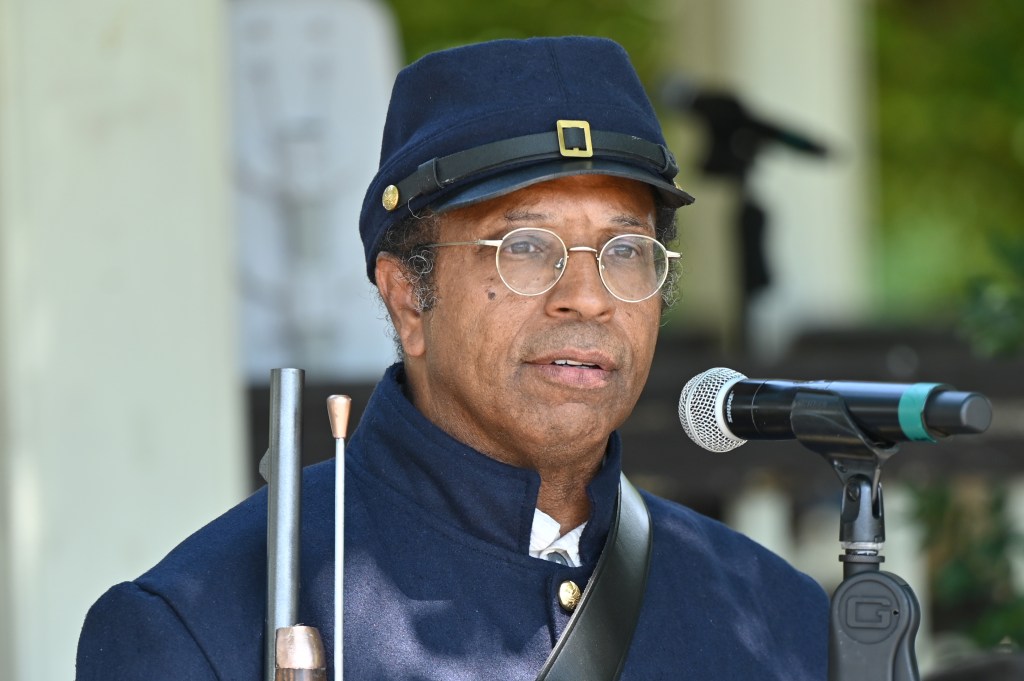
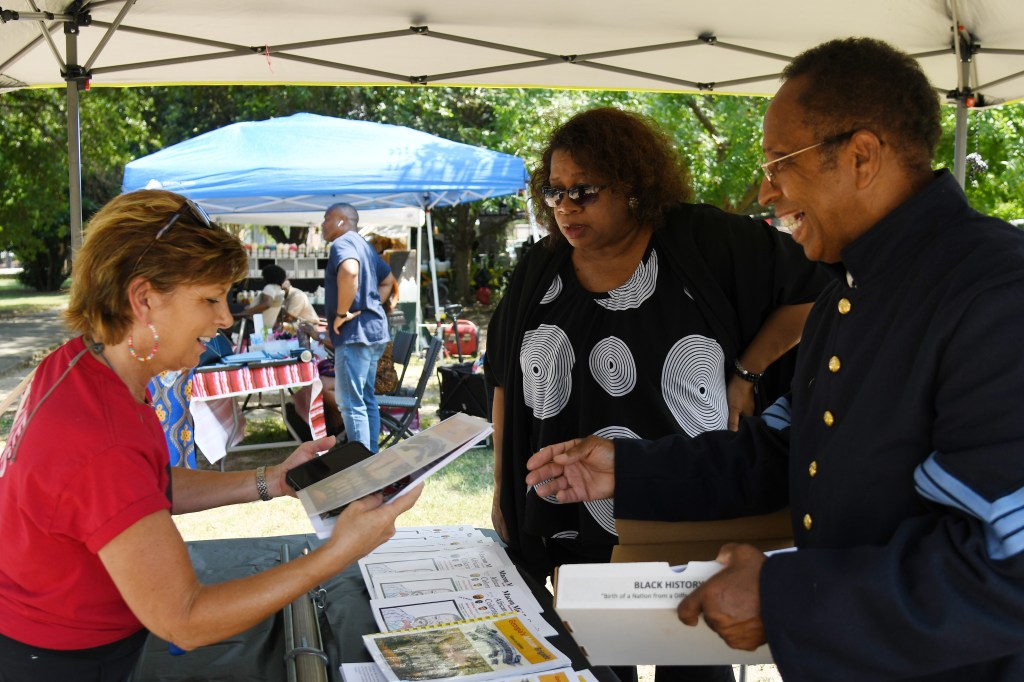
Standing in a wool jacket and pants on a summer day where the temperature got into the 90s, Army retiree Lonnie Davis easily drew attention as he prepared to speak in Tattnall Square Park.
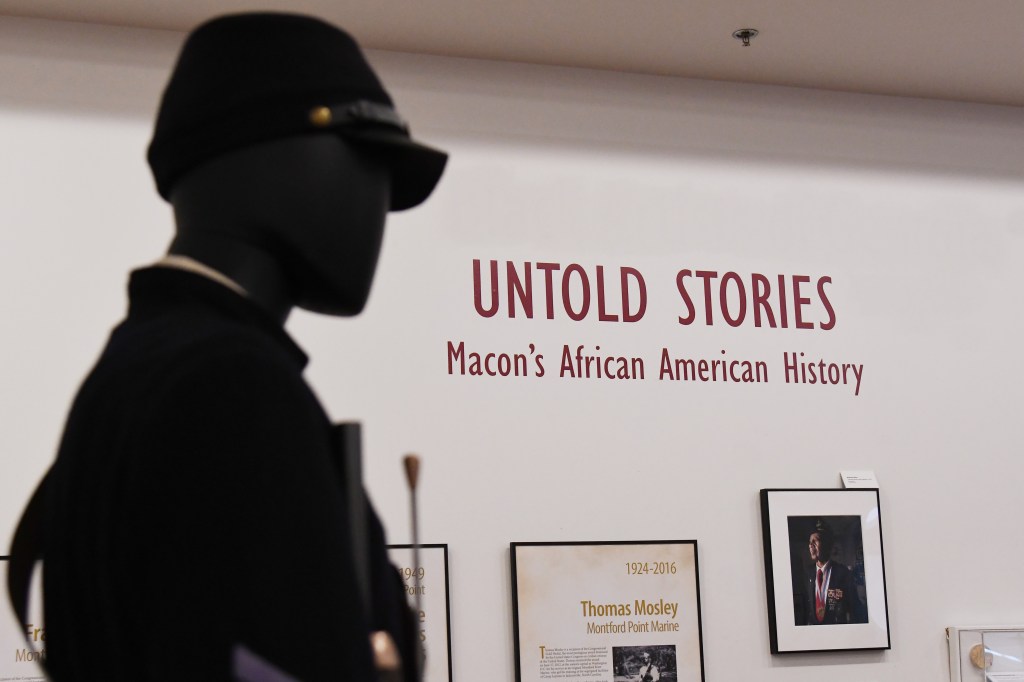
The 66-year-old retired park ranger’s blue outfit demonstrated a historically accurate representation of an 1864 Civil War-era Union Army uniform, complete with a replica musket that he handcrafted himself.
He shared with festival attendees a story he has shared repeatedly all over the state — three of the last Black Union regiments in the Civil War, known as the Georgia African Brigade, were organized in Macon in 1865. In fact, they were medically screened right there in Tattnall Square Park, the very same place Davis told their story more than 150 years later.
“This is a part of our history that is not taught to school students and there are a lot of adults who don’t know this story,” said Davis in his presentation. This lack of knowledge on local history motivates Davis to share both the history of Middle Georgia and the history of his ancestors.
Read full story here.

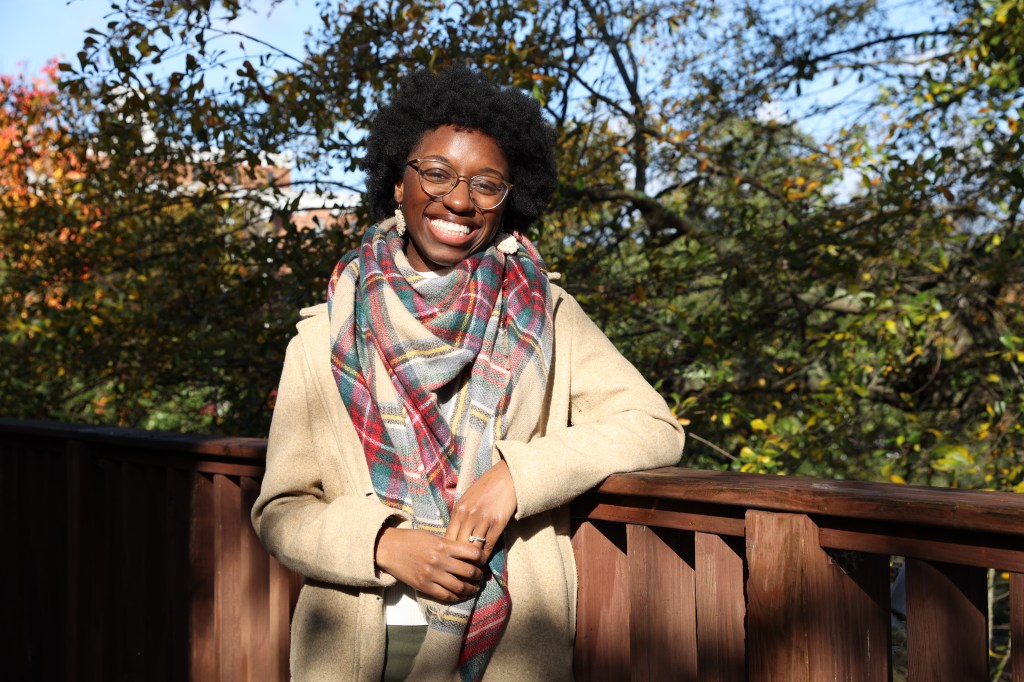
She learned to crochet to grieve her son. Now, her business shares the craft.
Text and images by Katie Tucker, The Telegraph (Republished in the Atlanta Journal-Constitution)
Darice Oppong never saw herself crocheting as a job.
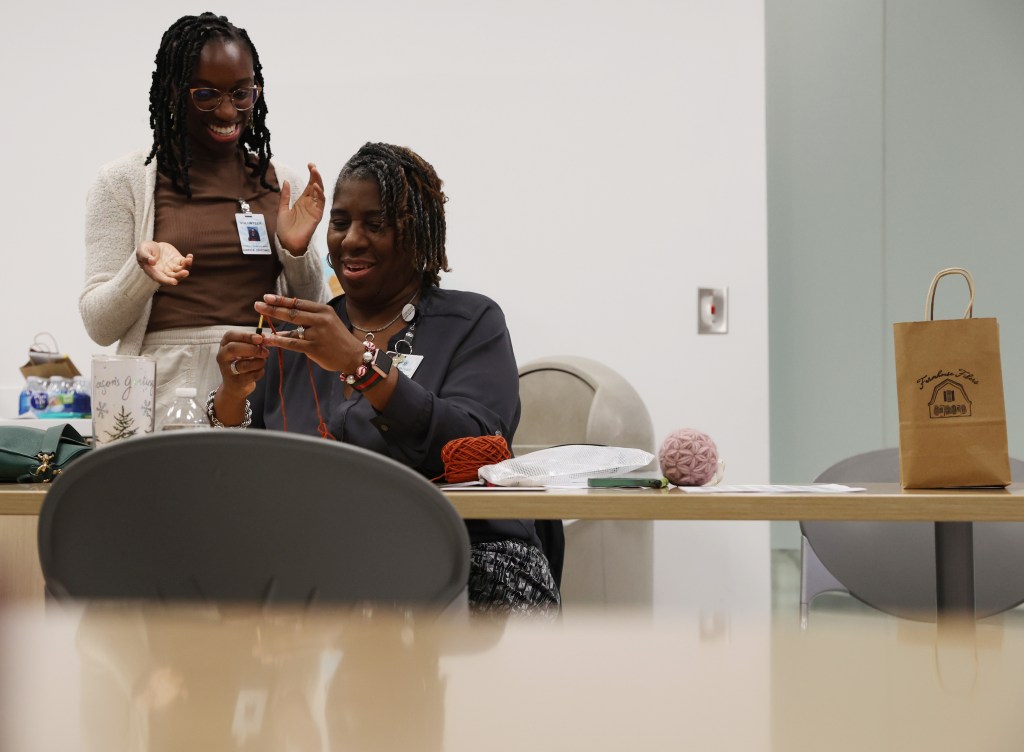
Less than two years ago, she didn’t know how to crochet at all. But, while overseeing a beginner crochet class in Macon in December, Oppong taught nine women a skill set they could transform into anything they wanted.
The 28-year-old began her part-time crochet business, Judah David Creations, in January after prematurely giving birth to her son, Judah David Oppong, in April 2023. He lived in the neonatal intensive care unit at Beverly Knight Olson Children’s Hospital in Macon less than a week before dying.
“I feel like crochet is a metaphor for life,” Oppong said to her class while holding and slowly tugging at the end of a blue ball of yarn. “Your life might feel like a tangled ball of yarn, but if you just take one stitch at a time, eventually you can make something beautiful.”
After Judah’s death, while she grieved and looked for a way to stay busy, Oppong learned how to crochet. What began as a casual hobby has grown into a career that Oppong never saw for herself. She also now teaches the creative outlet that helped her mourn her son to other parents with babies in the same NICU ward where her son was a patient.
“I feel like, more than anything, it’s not just crochet that I sell,” Oppong said. “I feel like I sell hope.”
Read the full story here.
Levine celebrated as state finalist
The Oglethorpe Echo
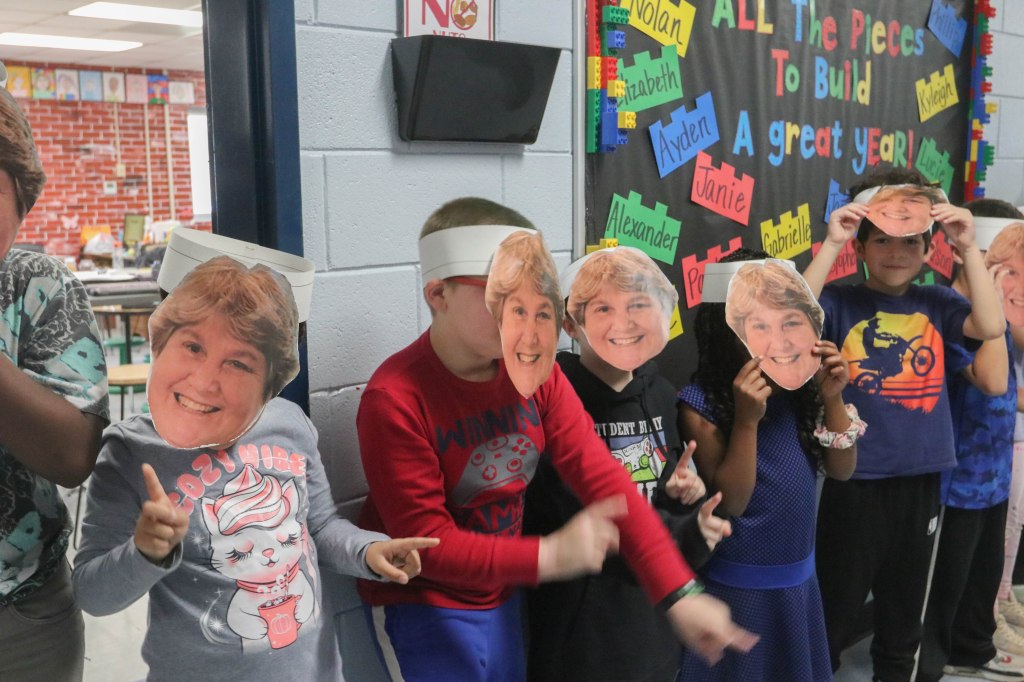
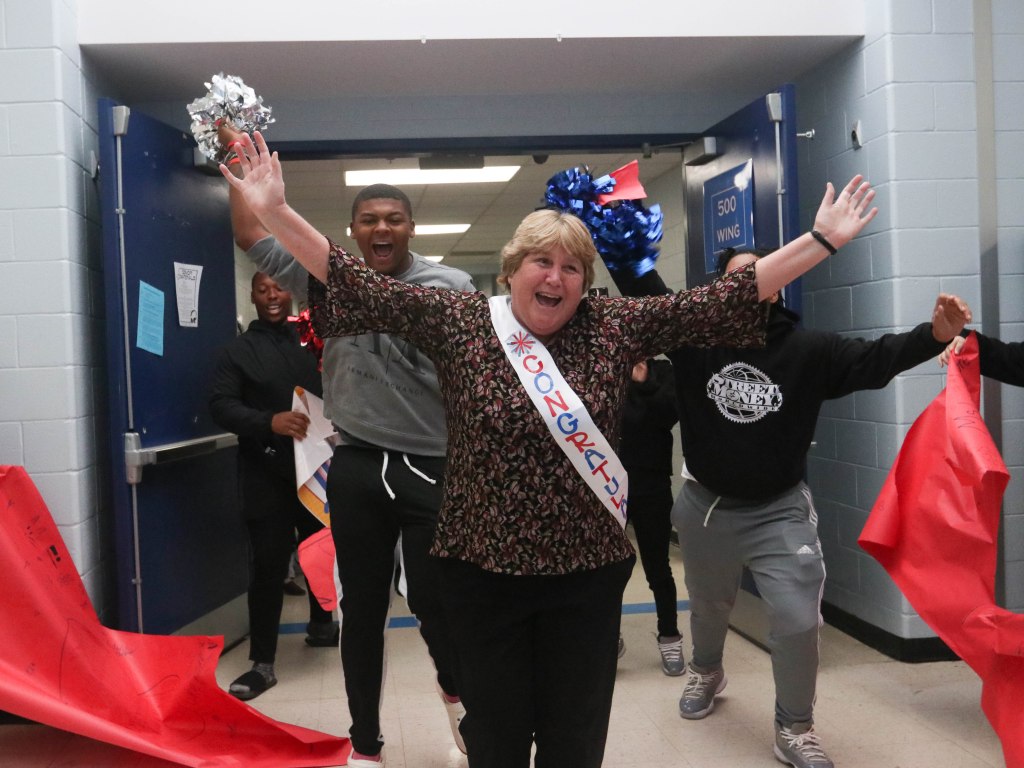
When Oglethorpe County teams excel, the school community celebrates with a parade through the hallways of the primary, elementary, middle and high schools.
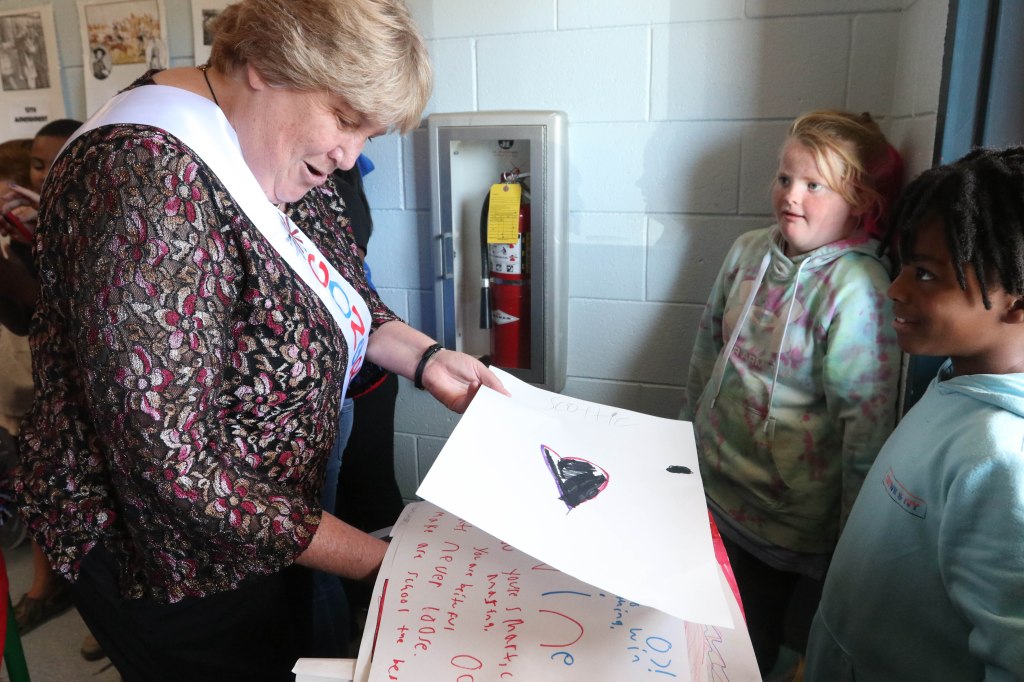
A similar rally occurred last Thursday, but the focus was Beverley Levine, who was named as one of four finalists for the 2023 Georgia School Superintendents Association Superintendent of the Year award.
Although she has been nominated before, this is her first time as a top-four finalist.
Oglethorpe County Board of Education members facilitated the celebration, along with school principals. Levine had no idea until a school bus pulled in front of the office to begin the tour.
Students filled the hallways and greeted Levine with signs, cheers and even a makeshift float for her to sit on at the middle and high schools.
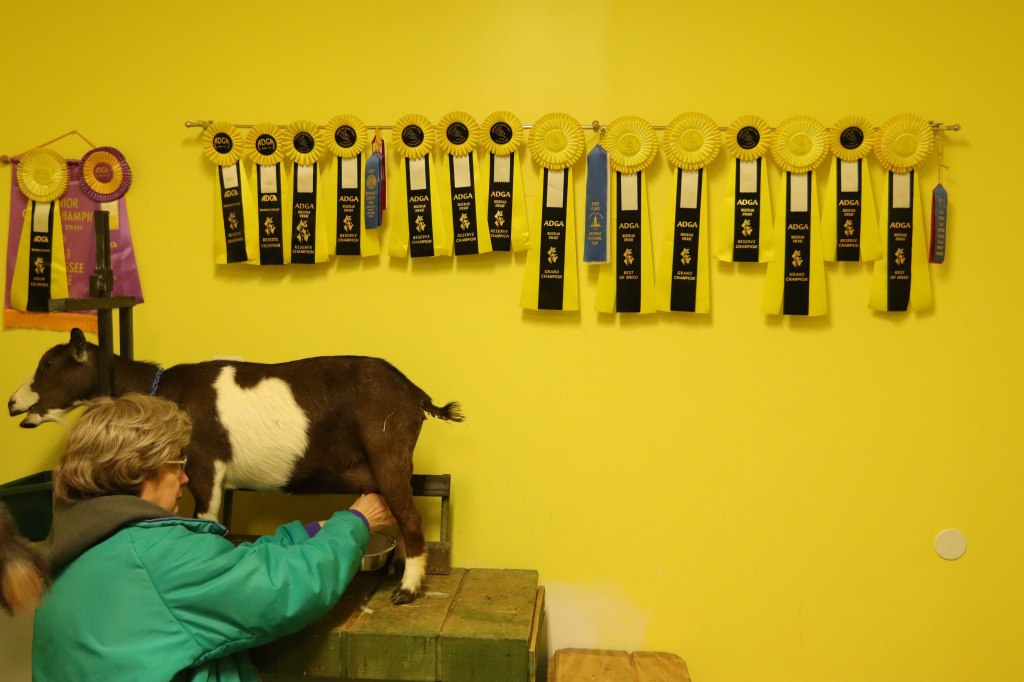
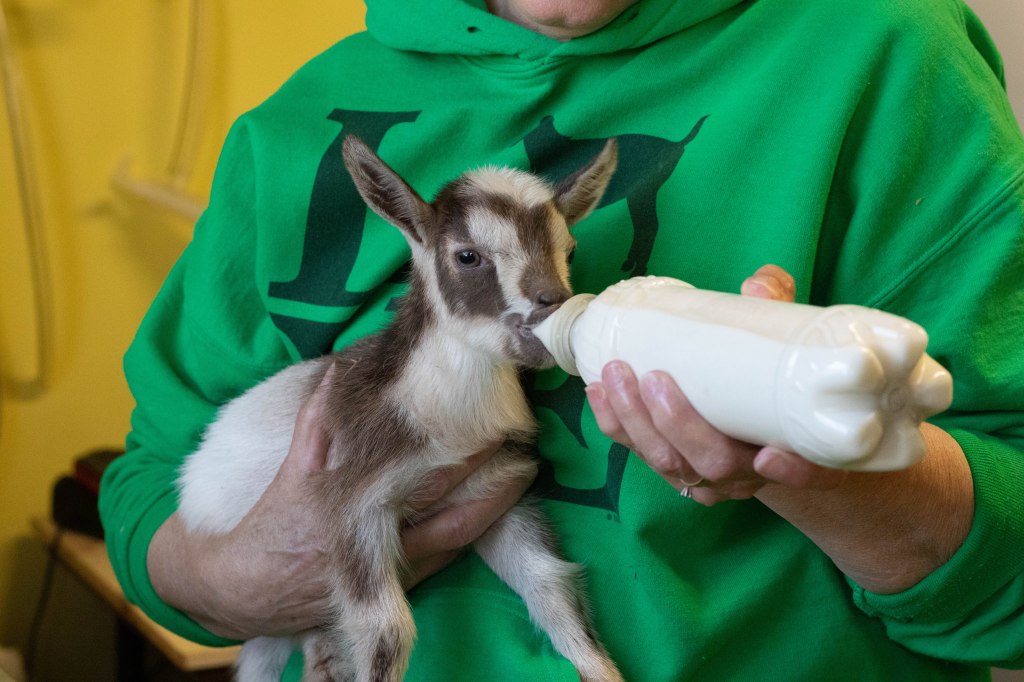
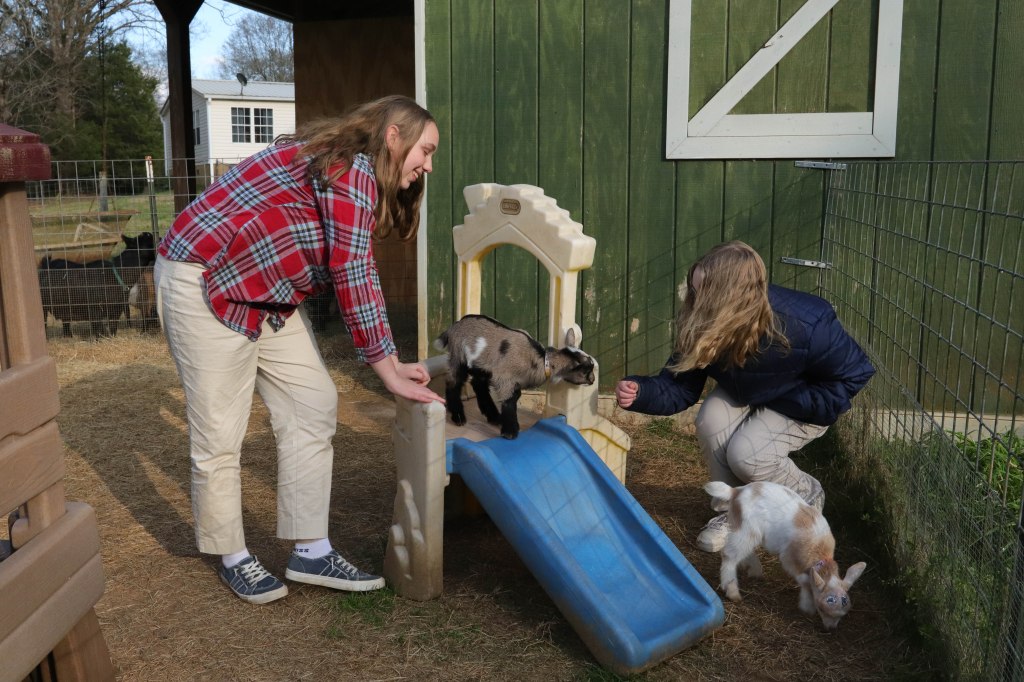
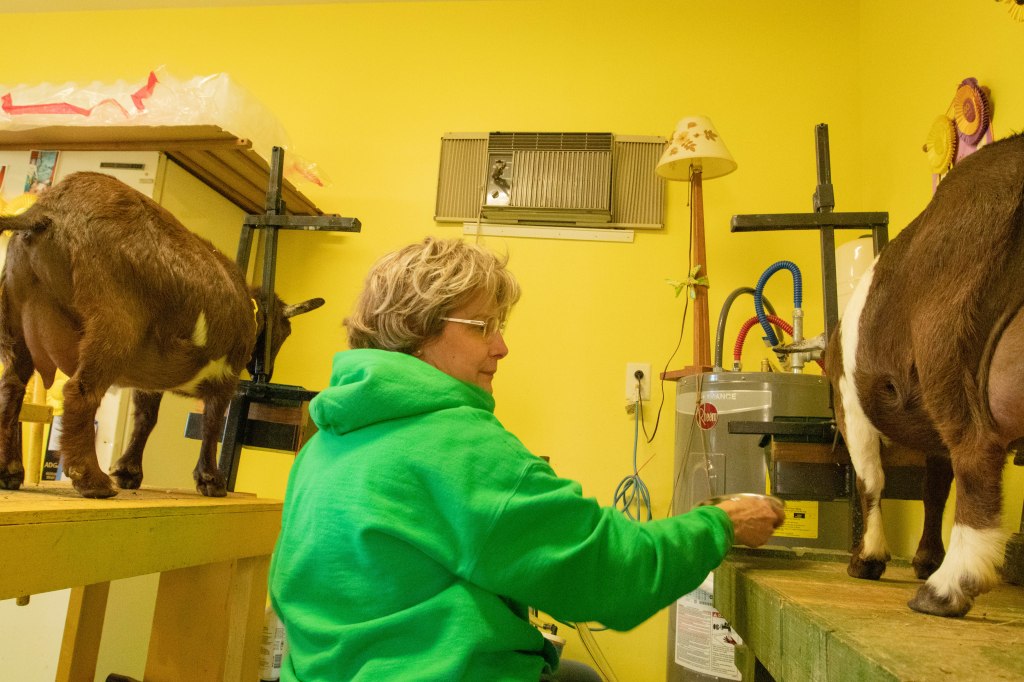

No Kidding Around at Stillcrazy Farm
The Oglethorpe Echo
Robbie Buchanan acknowledges that she is, in fact, crazy.
So much so that she named her farm where she raises, breeds and prepares to show her 23 Nigerian dwarf dairy goats the fitting name of Stillcrazy Farm.
“Well, I guess it’s pretty appropriate,” Buchanan said. “We say we are still crazy to keep going on in the goat business.”
Stillcrazy Farm, in Maxeys, wasn’t the original name Buchanan wanted for her slice of goat heaven, but it was the Future Farmers of American gave her from the three options she wrote on an application.
Buchanan operates her farm with help from her husband, Jeff. Her mornings start in typical farm fashion (before the sun is up) to feed and milk goats. By 7:30 a.m., Buchanan runs out the door and makes the quarter of a mile commute to the Maxey’s City Hall/Volunteer Fire Department/Post Office for four hours in the Post Office.
She sorts mail, reads book. If she needs to run and check on the goats, she writes a quick stickie note— “Be Right Back- Robbie”— to let visitors know that she’ll soon return.
After her shift, the rest of the day is consumed by the goats in a four-hour cycle of feeding, milking and letting them out to graze. She has down to a science, a process she not only is an expert at, but one she has taught others.
Before retiring, Buchanan taught agriculture at Jackson County High School. The processes that make up life on the farm were lessons for her high school students, from goats’ husbandry to their nutrition, so much so that a handful of her former students now own and care for goats as adults. Others have become agriculture teachers across the state.
Buchanan’s joy for teaching has continued outside of her classroom days. She still encourages local young people to come, learn and help with the goats, whether that’s something as simple as letting the young kids climb around on top of them or asking some of the older people to help move things. She also serves as a mentor for new goat owners. Nigerians can often be pets, so Buchanan sells the kids to families who may have little experience with farm animals.
She recalls a story of a Bosnian family who wanted a Nigerian because their daughter couldn’t drink cow’s milk. The language barrier between Buchanan and the family made instructions on goat care di#cult and a string of misunderstandings led to mishandling of the goat, so much so that the family eventually gave the goat back to Buchanan. Buchanan said “everything turned out OK, in the end.”
“We have lots of experiences with lots of different kinds of people,” she added.
 Katie Tucker